Pop Culture Roundup: ‘Million Dollar Nannies,’ Frozen Jell-O, More
A frozen gelatin dessert and a high-gloss nanny drama now occupy the same pop-cultural tray, which is exactly how summer television has always behaved: part spectacle, part household ritual, part soft social diagnostic.

The reality-TV silhouette: luxury service, visible strain
“Million Dollar Nannies” is the sharpest object in this roundup, at least by title and framing. The phrase itself is built on contrast: intimate labor dressed in a couture price tag. That is a familiar reality-TV construction, where private households become stages and care work is edited into status theater.
The practical viewing question is not whether the drama is “real” in any pure sense; reality television has long since abandoned that naïve fitting room. The better test is whether the show gives viewers legible stakes: who holds power, who performs discretion, and who is being styled as indispensable versus replaceable. If the conflict is merely expensive wallpaper, it will date quickly. If it exposes the machinery of luxury domestic life, it may have a longer shelf life in the Bravo-adjacent memory bank.
For gossip readers, this is worth watching less as isolated scandal and more as a category signal. Domestic staff, family image-management, wealth aesthetics, and controlled access are all recurring Hollywood motifs. A show built around nannies in a million-dollar register is not just about childcare; it is about provenance, hierarchy, and the carefully pressed seams of private privilege.
Frozen Jell-O returns as edible nostalgia
The viral frozen Jell-O recipe belongs to a different lineage: not red carpet, but refrigerator door; not glamour, but texture. Its revival makes sense in the current pop-culture climate, where retro food often functions like a costume archive. Gelatin, especially when chilled or frozen into a sculptural form, carries the mid-century promise of domestic ingenuity — a small, glossy monument to control.
That does not mean every viral kitchen trend deserves adoption. The sensible test is simple: does the recipe offer a new sensory reason to exist, or is it merely nostalgia with a colder surface? If you are trying it for a summer gathering, treat it as a conversation piece rather than a culinary centerpiece. Its value is visual and mnemonic: color, wobble, childhood association, and the faint theatricality of serving something that looks engineered.
The same TODAY segment also referenced July Fourth recipes including a dirty martini burger and elote potato salad. Those names sit in the same contemporary food register: familiar cookout forms altered by cocktail-bar or street-food signifiers. In other words, the table is being styled the way celebrities style archival fashion — recognizable silhouette, updated detail.
Why this roundup matters beyond the scroll
The confirmed frame here is modest: a TODAY pop-culture segment, hosted around Daryn Carp’s list of five hot topics, with “Million Dollar Nannies,” frozen Jell-O, and related summer food ideas among the named items. Yahoo also carried the roundup headline, while other recent items in the same source cluster point broadly toward pop-culture history and fact-driven nostalgia.
The useful takeaway is not to inflate a morning-show roundup into a cultural earthquake. It is to notice the pattern. Current pop culture is again braiding three durable threads: aspirational domestic drama, retro edible spectacle, and list-based nostalgia. That combination has survived because it is inexpensive to consume and easy to discuss — the perfect currency for group chats, holiday weekends, and lightly judgmental viewing.
Verdict: “Million Dollar Nannies” is the item to monitor for durable gossip value; frozen Jell-O is the disposable but photogenic throwback; the broader roundup is a reminder that pop culture’s longest-lasting looks are often cut from household fabric, not red-carpet silk.
More from the feed
 Hollywood Relationships Under the Microscope as Defamation Trial Aftermath Continues
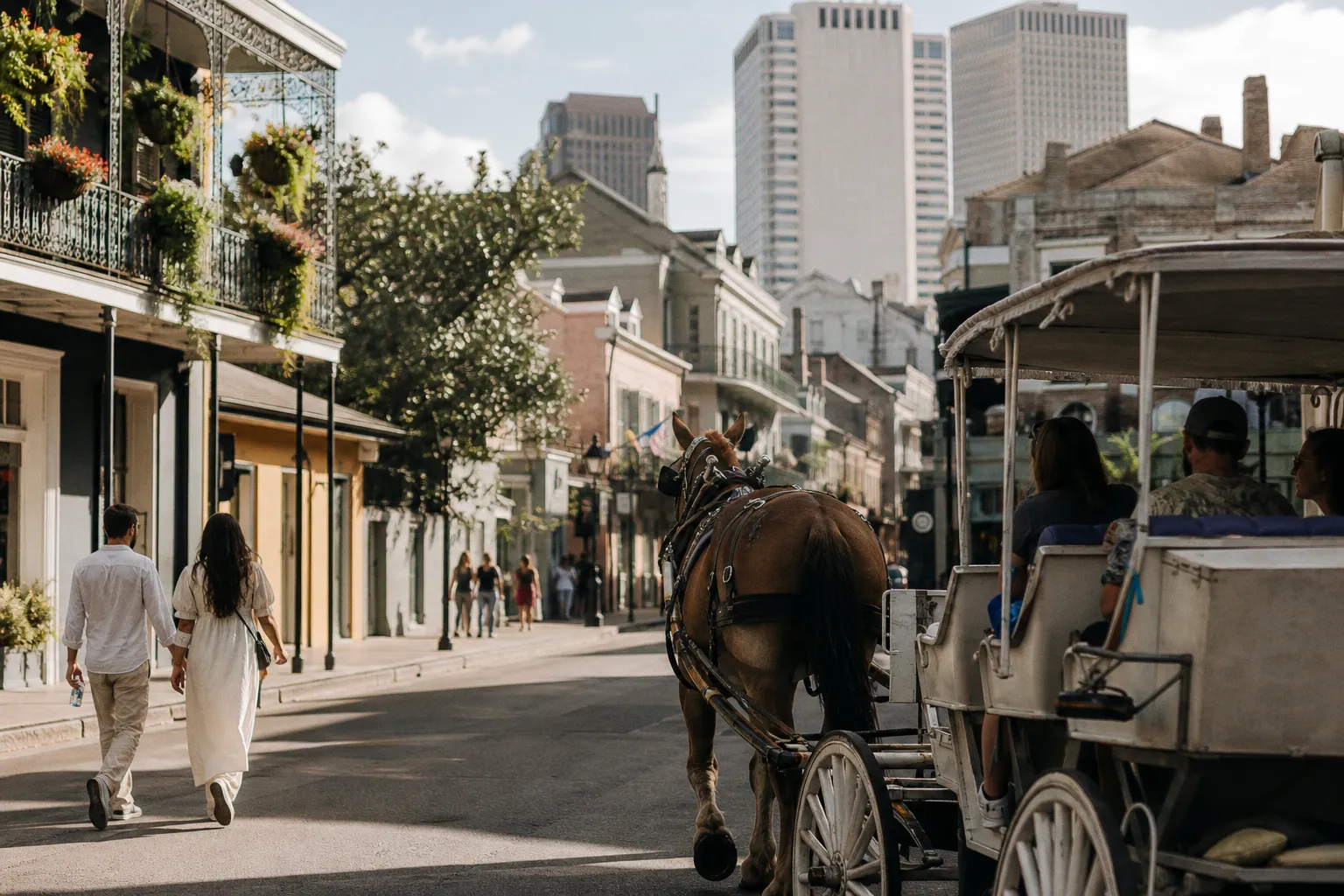 Harry Styles and Zoe Kravitz reportedly eyeing New Orleans for wedding , Entertainment News
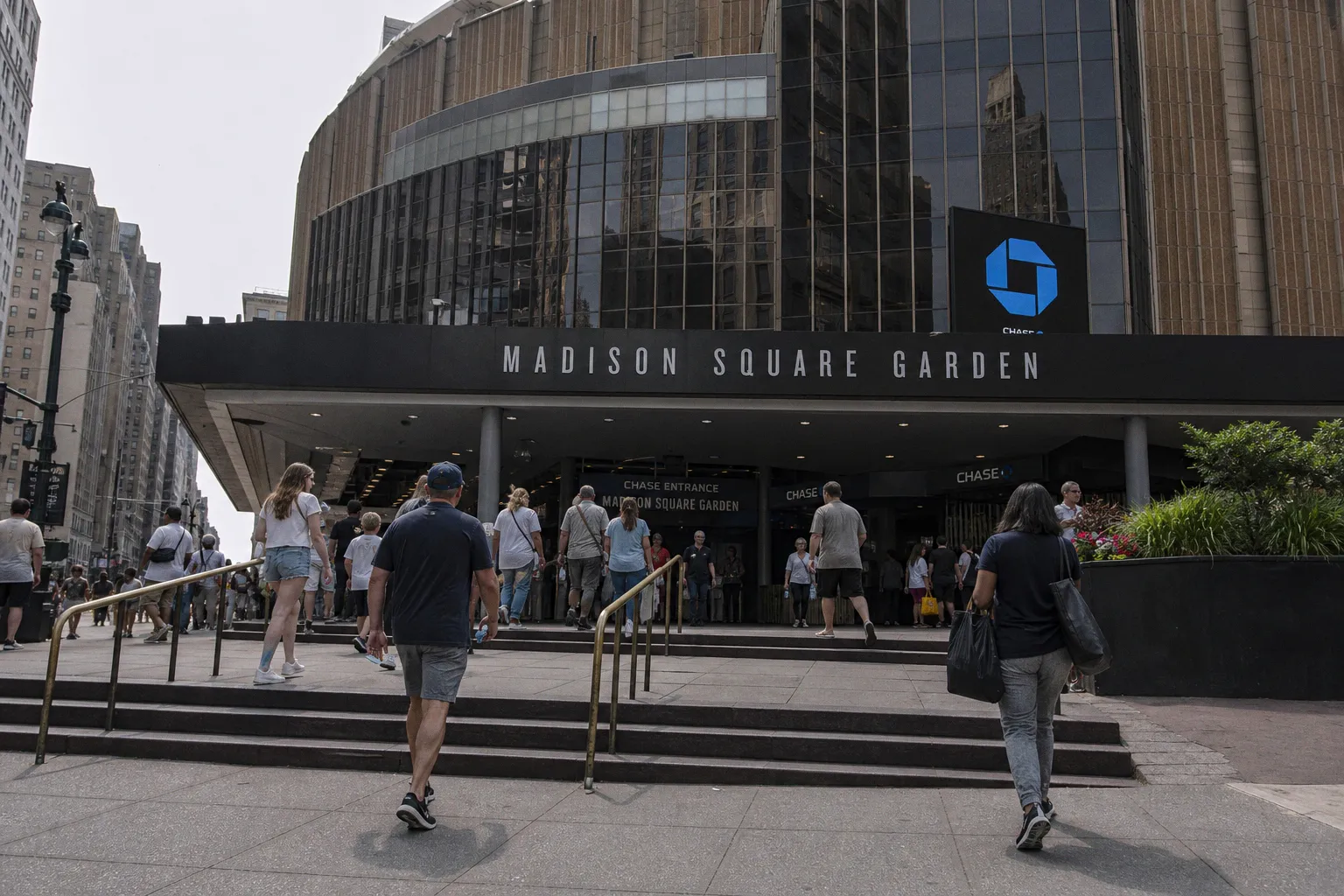 Madison Square Garden permits renew Taylor Swift-Travis Kelce wedding speculation
 World Cup Pop Culture Moments From The Past Week You Need To Know