Madison Square Garden Challenges WIRED Over Allegations of Tracking Gay Celebrities
When a major venue sues a publication for its reporting on how they track celebrity guests, the ripple effects extend far beyond the courtroom—especially when the story drops just days after one of the most publicized weddings of the year.
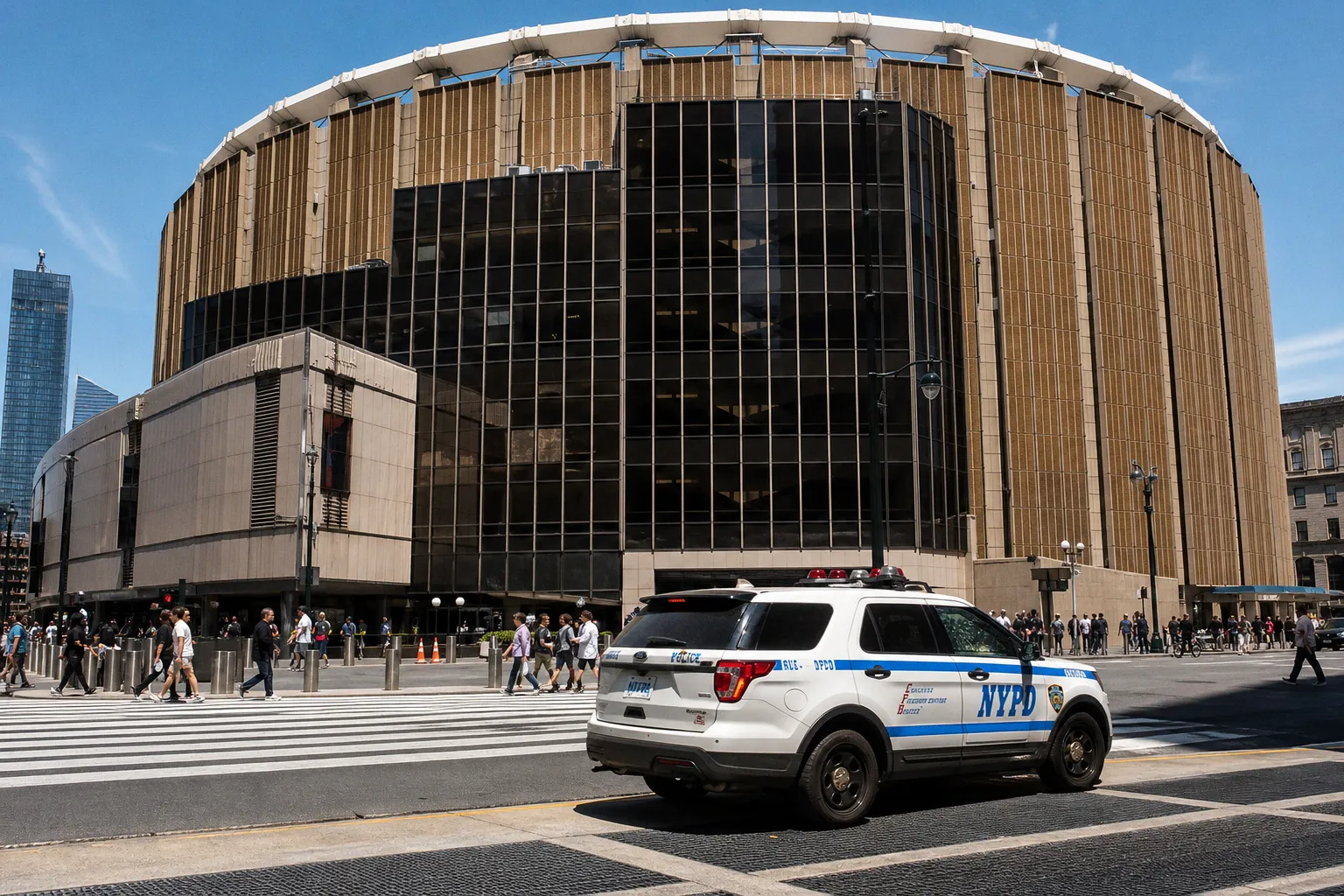
According to a recent report, Madison Square Garden has filed a defamation lawsuit against WIRED over an article alleging the venue maintained a list of gay celebrities for exclusionary purposes. For an audience tuned into the machinery of fame, this isn't just a legal spat; it's a case study in how celebrity data, public relations, and narrative control collide.
The Lawsuit's Core Claim: Exclusion vs. Inclusion
The heart of the dispute lies in the framing of the data. WIRED's article, titled "Madison Square Garden Kept a List of Gay Celebrities," suggested the tracking was for exclusion. In its complaint, MSG counters that such information is gathered to "further inclusion"—specifically to invite LGBTQIA+ celebrities to events, create sponsorship opportunities, and coordinate outreach. The venue accuses the journalists of publishing with "reckless disregard for the truth," calling the story "clickbait." WIRED, for its part, has stated it will "vigorously defend" the article, framing the lawsuit as an attack on critical journalism.
This clash puts a spotlight on a quiet, operational aspect of Hollywood: how venues and brands actually use the personal data of famous faces. The lawsuit argues there was "no nefarious list," but acknowledges the database includes a sexual orientation field. For celebrities, this raises a familiar question: is being tracked for "inclusion" any less intrusive than being tracked for exclusion? The optics are messy, regardless of intent.
Timing and The Swift-Kelce Wedding Shadow
The report notes the lawsuit was filed shortly after Taylor Swift and Travis Kelce's high-profile wedding at MSG over the July 4th weekend. While the complaint doesn't explicitly link the two events, the timing is a masterclass in narrative management. Suing a publication for defamation after hosting a blockbuster, feel-good celebrity event creates a powerful counter-narrative: it frames MSG as a celebrator of love, not an agent of discrimination.
For celebrity relationship analysts, this is textbook crisis PR. When a brand faces damaging allegations, aligning yourself with a universally beloved couple is a strategic move to reclaim the public conversation. It forces anyone covering the lawsuit to also mention the recent, joyful wedding—a deliberate piece of optics that attempts to drown out the controversy with confetti.
What This Means for Celebrity Relationship Optics
This case is a reminder that a celebrity's public persona—and their relationships—are assets being managed and protected at every level. The lawsuit isn't just about MSG and WIRED; it's about who gets to control the story surrounding famous people's private lives. Are venues and brands seen as safe, inclusive spaces? Or does the mere existence of such tracking databases, even with stated benign goals, create an undercurrent of risk that influences how and where celebrities choose to celebrate their most personal milestones?
For now, all parties are entrenched. A jury trial has been requested, meaning this will play out in public for some time. The takeaway for anyone watching the Hollywood machine is clear: in the era of data-driven fandom, even a wedding can't fully insulate you from the business of who knows what about whom—and who gets to say what about it. The final verdict will set a precedent, but the battle over the narrative is already happening.