Current celebrity gossip outlets: which ones to trust
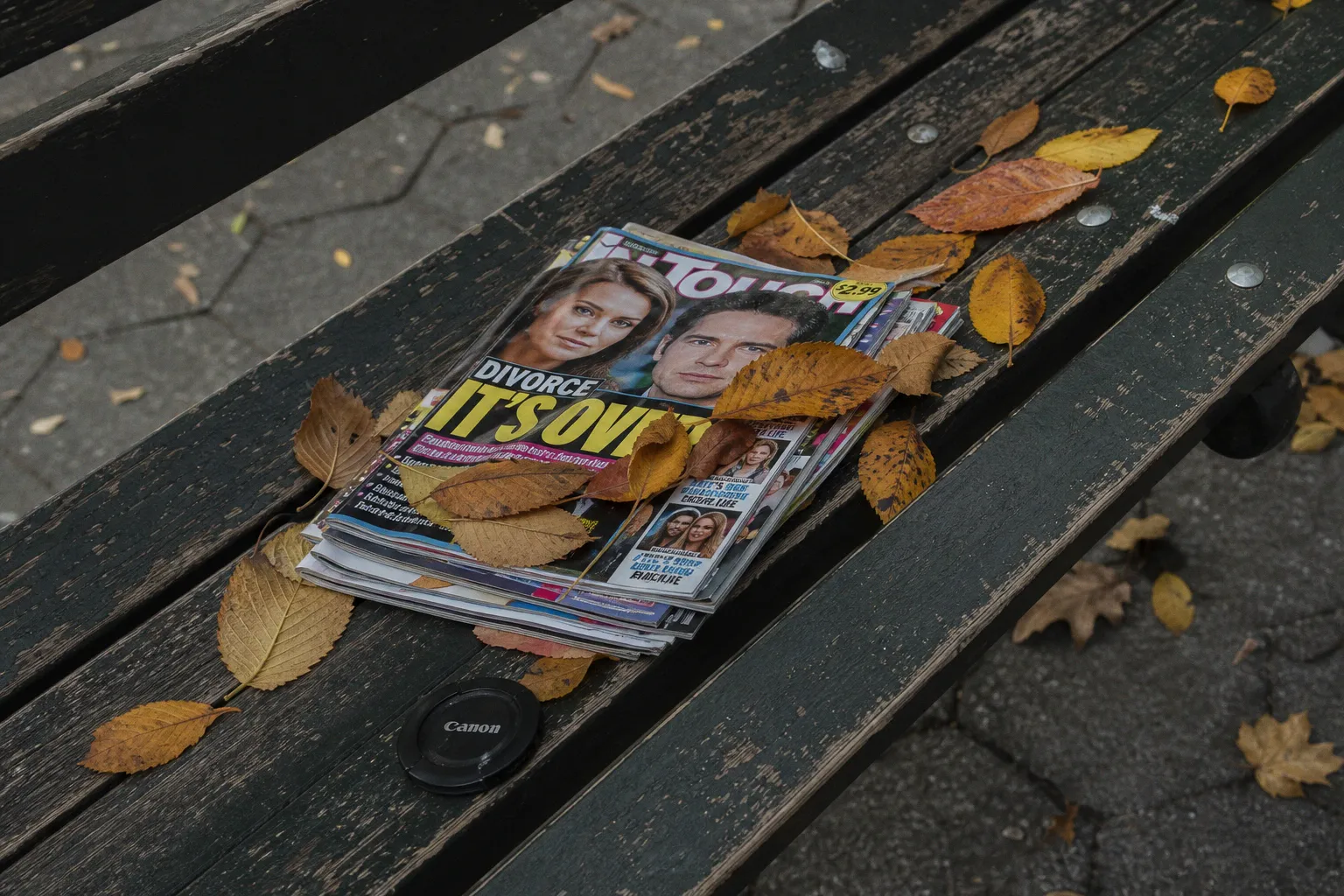
That does not mean the old tabloids were noble guardians of truth. Please. Hollywood has always been a town where narrative control is part of the job. But today's gossip ecosystem asks readers to do more emotional and practical labor: separate a real industry leak from a fan theory, a planted PR nudge from a messy DM, and a genuinely newsworthy breakup from engagement bait dressed up as "tea."
The question is no longer "Who has the gossip?" It is "What kind of machine produced this gossip, and what does that machine reward?"
The gossip map has changed: tabloids, feeds, blinds, and fan courts
For decades, celebrity gossip moved through a fairly recognizable chain. Paparazzi photos, print tabloids, entertainment shows, and later digital outlets shaped the public narrative. There were still anonymous sources, strategic leaks, and ugly incentives, but the format created friction. Publishing carried cost. Legal exposure mattered. Editors had to decide whether a claim was worth putting under the outlet's name.
Now the friction is lower and the speed is brutal. A celebrity can be "soft-launching," "spiraling," "feuding," "pregnant," "dumped," or "secretly married" before breakfast because one account stitched together three Instagram likes, a blurry restaurant photo, and a blind item from a platform that never promised verification in the first place.
That is the first useful distinction when evaluating celebrity drama sources: not all gossip outlets are trying to do the same job.
Some are news operations. Some are entertainment aggregators. Some are blind item playgrounds. Some are social accounts built on vibes, speed, and audience participation. And some are PR-adjacent temperature checks, where the point is not necessarily to report the full truth but to see how the public reacts to a possible version of it.
Here is the broad landscape, with the usual caveat that individual stories can vary:
| Outlet type | What it is good at | Where it gets risky | My trust level for hard claims |
|---|---|---|---|
| Legacy entertainment outlets and tabloids with legal review | Confirmed filings, arrests, lawsuits, photo/video-backed stories, official statements | Can still frame stories aggressively or rely on strategic sources | Higher, especially when documents or representatives are cited |
| TMZ-style breaking news operations | Fast reporting on incidents, legal matters, video evidence, public records | Speed can flatten emotional nuance; framing may favor drama | High for documented events, more cautious on motives |
| People-style celebrity access outlets | Relationship confirmations, amicable breakup language, family updates, official narratives | Often reflects PR-managed positioning | High for "what the team wants public," lower for what happened privately |
| DeuxMoi-style crowdsourced gossip | Early whispers, sightings, mood shifts, industry chatter | Explicitly unverified submissions; names may be hinted rather than proven | Low for facts, useful for tracking chatter |
| Blind item sites such as CDAN | Rumor pattern recognition, speculative entertainment | Anonymous submissions, mixed accuracy, high ambiguity | Very low unless later supported elsewhere |
| TikTok and Instagram tea accounts | Fast synthesis, fan reaction, visual receipts | Incentives reward virality; brand deals and affiliate links can blur priorities | Highly variable; receipts matter |
| Fan forums and Reddit threads | Timeline building, archive work, spotting inconsistencies | Groupthink, parasocial certainty, selective evidence | Useful as a research trail, not as proof |
That table is not a moral ranking. It is a pressure map. Every outlet has incentives. The trick is knowing what each source is built to produce.
DeuxMoi and the crowdsourced model: useful temperature check, not proof
DeuxMoi became culturally powerful because it made gossip feel participatory. Instead of waiting for a tabloid splash, followers could submit sightings, whispers, overheard conversations, and blind items. The account became less like a publication and more like a rolling group chat with millions of people peeking over someone's shoulder.
That is both the appeal and the problem.
DeuxMoi has repeatedly made clear through its disclaimers that it does not verify all information submitted by followers. That matters. A submission can be interesting, plausible, even later proven accurate — and still not be verified at the moment it appears. A "saw them at dinner" tip is not the same as a confirmed relationship. A blind item hinting at a breakup is not the same as a representative statement, a court filing, or even a pattern of on-the-record reporting.
The model thrives on ambiguity. Names may be omitted, clues may be suggestive, and followers do the work of decoding. That protects the platform in some ways and drives engagement beautifully. Fans argue, compare timelines, identify jewelry, track unfollows, and build the narrative themselves. By the time a rumor trends, the audience has invested emotionally in solving it.
If you are using DeuxMoi or similar accounts, the fairest way to treat them is as an early signal, not a final answer. In relationship terms, it is the "something feels off" stage — not the "they announced the split" stage.
A practical reading of a crowdsourced post looks like this:
1. Identify what is actually being claimed. "They were seen together" is different from "they are dating." "They looked tense" is different from "they broke up."
2. Separate the submission from the caption. Sometimes the original tip is soft, but the surrounding discussion hardens it into something much bigger.
3. Look for independent corroboration. One anonymous submission is a spark. Multiple unrelated sightings, photos, or later reporting can turn it into a pattern.
4. Watch the timing. Rumors that appear right before an album rollout, movie premiere, reunion episode, or court date deserve extra caution. That does not make them false; it makes the optics more complicated.
5. Do not confuse volume with verification. A rumor repeated by fifty accounts can still have one unverified source.
The emotional trap is that crowdsourced gossip feels intimate. It has the texture of "my friend saw them." But intimacy is not evidence. In Hollywood, proximity is currency, and people exaggerate proximity all the time.
Blind items: where to find them, and why they should stay in the rumor drawer
Blind items are old Hollywood with a new distribution system. The format is simple: an unnamed celebrity is described through clues, behaviors, initials, or career references. Readers guess the identity. The safer, more responsible version treats the exercise as speculative entertainment. The reckless version treats guesses as accusations.
Crazy Days and Nights, often abbreviated as CDAN, is one of the better-known blind item platforms. It operates on anonymous submissions, which means the content can be a mix of truth, exaggeration, industry folklore, personal vendetta, and outright fabrication. That mix is not a bug; it is part of the genre's strange durability.
Blind items thrive because they let readers feel like insiders. You are not being told a story; you are being invited to decode one. That invitation can be fun when the stakes are low — casting rumors, diva-ish behavior, awkward party sightings. It becomes much more serious when the blind suggests abuse, addiction, criminal behavior, coercion, or medical information. At that point, the ethical floor should rise quickly.
The uncomfortable truth is that blind items often outsource risk to the audience. The item may avoid naming someone, but fandoms often rush to name them anyway. Once that happens, the public consequence can attach to a real person without the original claim ever being verified.
A blind item is not a softer form of reporting. It is a harder test of the reader's restraint.
If you enjoy blind items, I would keep three boundaries.
First, do not treat "everyone knows who this is" as evidence. Group certainty can be manufactured by repetition.
Second, give extra skepticism to blinds that perfectly flatter an existing fan war. If a rumor makes one fandom's hero look saintly and the rival look monstrous, it may be satisfying, but satisfaction is not a sourcing standard.
Third, look for what happens after the blind. Did a reputable outlet report anything? Did documents emerge? Did representatives comment? Did multiple unrelated sources point in the same direction? Or did the rumor simply live forever as a screenshot?
Blind items can be a place to find celebrity drama sources early. They are rarely the place to end.
Legacy outlets: boring legal caution is actually useful
There is a reason legacy outlets still matter in current celebrity gossip, even when they are slower and less fun than the feed accounts. Legal liability creates discipline. Not perfect discipline, but real discipline.
TMZ, for example, is often treated as brash and aggressive — fairly, in terms of tone — but its stronger stories frequently lean on video, public records, legal documents, official confirmation, or direct sourcing. That does not mean every interpretation should be swallowed whole. It does mean that when TMZ reports a court filing, an arrest, a death, a lawsuit, or a piece of footage, the evidentiary threshold is usually different from an anonymous DM submission.
People occupies a different lane. It is often close to celebrity teams and tends to carry the language of managed access: "amicable," "mutual respect," "focused on family," "asking for privacy." Some readers roll their eyes at that tone, but it tells you something valuable. If People reports a breakup with careful phrasing and quotes from a source close to the couple, you are often looking at the official narrative, or at least a narrative the principals are willing to let stand.
That is not the whole truth of the relationship. It is the authorized hallway leading to the truth.
This is where relationship analysis gets more interesting than simple "confirmed or fake" sorting. When a couple separates, different outlets may receive different pieces of the story because different people need different outcomes.
If the couple wants to preserve a co-parenting image, then the access outlet gets warmth and maturity.
If one side wants distance from scandal, then a more aggressive outlet may get a timeline that clarifies when the relationship actually ended.
If a new romance is about to become public, then the breakup narrative may be placed first so nobody looks like they overlapped.
If the split affects a tour, film campaign, reality show, or brand deal, then the language becomes especially tidy: grateful, private, respectful, still supportive.
Readers sometimes call that fake. I would call it managed. Managed does not automatically mean false. It means incomplete by design.
TikTok tea accounts and Instagram gossip pages: speed, style, and incentives
The newer generation of gossip accounts is very good at packaging. A TikTok creator can take a rumor, add screenshots, old interview clips, a timeline, a bit of body-language speculation, and a dramatic sound bed, then deliver the whole thing in two minutes. It feels coherent because the editing is coherent.
But coherence is not confirmation.
Many social media tea accounts monetize through brand deals, affiliate links, subscriptions, creator funds, and audience growth. That does not make them dishonest. It does mean their incentive structure rewards frequent posting, high emotion, and strong hooks. "Maybe nothing happened, but here is why fans are wondering" will usually travel less than "This breakup theory just got messier."
The same dynamic plays out in any signal-heavy environment. Gossip feeds are essentially markets of attention: they move on volume, velocity, and narrative shape, not necessarily on verification. A spike in chatter is not the same as a confirmed change in the underlying story. The reader's job is to remember that.
When I evaluate a TikTok or Instagram gossip account, I do not start with whether I like the creator. I start with how they handle uncertainty.
The more reliable accounts tend to:
- Label rumors as rumors without winking them into certainty. "Allegedly" is not a magic spell, but clear language helps.
- Show primary material. Screenshots, dates, video clips, court documents, and full context beat "sources say" with no source trail.
- Update when wrong. Quietly deleting a viral claim is not accountability.
- Avoid turning body language into a courtroom. Red carpet awkwardness can mean a fight, jet lag, anxiety, bad shoes, or a photographer yelling nonsense.
- Distinguish fan interpretation from reporting. A theory can be clever and still not be news.
- Disclose sponsorships clearly. If an account mixes gossip with monetized beauty, fashion, wellness, or ticketing content, transparency matters.
The less reliable accounts usually harden speculation into fact, especially when a celebrity is already unpopular. That is where the tone shifts from analysis to pile-on. And pile-ons are notoriously bad at nuance.
The best celebrity gossip sites depend on what you want to know
There is no single "best" source for all current celebrity gossip because gossip itself contains different categories of information. A breakup confirmation is not the same as a cheating rumor. A red carpet appearance is not the same as a custody dispute. A blind about a studio feud is not the same as a police report.
So I would match the source to the question.
For confirmed relationship status
Start with outlets that have access to representatives or a strong confirmation standard: People, Entertainment Tonight, Variety when the relationship intersects with professional stakes, and sometimes TMZ if there is a legal or documentary component. If a couple has split and the statement is coordinated, you will often see similar language across reputable entertainment outlets quickly.
Pay attention to the exact words. "Have decided to separate" is different from "have been living separate lives." "Remain friends" is different from "are focused on co-parenting." "No third parties were involved" is rarely included unless someone is worried people will think otherwise.
For legal disputes and incidents
Favor outlets that reference filings, police statements, court dates, video, or named representatives. TMZ is frequently fast here, but the healthiest reading habit is to look for the document trail. If no document exists in the story, be cautious about claims that sound legal but are sourced only to "insiders."
For casting drama and industry whispers
Trade publications and established entertainment reporters are stronger than blind item accounts. Variety, The Hollywood Reporter, Deadline, and similar outlets usually have industry sourcing standards and relationships that matter. They may still reflect studio agendas, but they are not built purely on anonymous fan submissions.
For early relationship rumors and sightings
Crowdsourced accounts can be useful, but treat them as smoke, not fire. DeuxMoi, Instagram tip pages, and fan-compiled timelines may point you toward a developing story. The question is whether anything follows: photos, repeated sightings, outlet confirmation, or behavior from the celebrities themselves. A soft launch is not a relationship; a rumor that nobody ever confirms is just a rumor.
For red carpet and style tea
This is the gentlest category, and it is also where social accounts shine. Stylists post behind-the-scenes shots, designers drop hints, and brands carefully orchestrate reveals. Fashion is its own PR economy, and that economy runs on credit. If an outfit appears in three places within an hour, somebody is feeding the chain. That does not make the fashion news false, but it makes the "exclusive" label mostly decorative.
A working framework for evaluating celebrity news credibility
If I had to boil all of this into one short checklist of habits — not a checklist of websites — it would look like this.
First, ask what category the story belongs to. Relationship, legal, casting, sighting, blind, leak, divorce filing, paternity claim, fashion choice. Each category has different evidence standards.
Second, ask who benefits if the story travels. Publicists, streaming platforms, exes, new partners, fan factions, and the gossip account itself all have reasons to want a story in motion. Motivation is not proof, but it is part of the picture.
Third, ask where the documents are. Court records, public filings, official statements, credited photographs, and named sources raise the floor. Anonymous whispers lower it.
Fourth, ask what a responsible outlet would do with the same tip. If a serious entertainment outlet has not touched it, that does not mean it is false. It often means the threshold has not been met.
Fifth, ask how the story ages. Many viral tea stories quietly disappear because nothing followed. The good ones usually leave a paper trail.
Trust in celebrity gossip is not about finding a perfect source. It is about reading the incentives behind the source you already have.
The honest truth is that even readers who do this professionally get burned sometimes. A coordinated PR narrative can look like a leak. A real leak can look like a coordinated narrative. Fan-made videos can contain real evidence. Real evidence can be reframed as fan-made content.
The job is not to be cynical or gullible. The job is to stay curious about how the story arrived, generous with the humans in it, and patient about the gap between a rumor and a fact. That gap is where reliable Hollywood rumors earn their reputation, and where the rest of the ecosystem quietly loses it.
FAQ
Why should I be skeptical of blind items?
How can I tell if a celebrity breakup story is accurate?
Are TikTok and Instagram gossip accounts reliable?
What is the difference between a 'managed' narrative and a false one?
How should I use crowdsourced gossip sites like DeuxMoi?
Don't miss
 Rumors & TeaChoose the best gossip Patreon for uncensored Hollywood leaks
 Madison Square Garden permits renew Taylor Swift-Travis Kelce wedding speculation
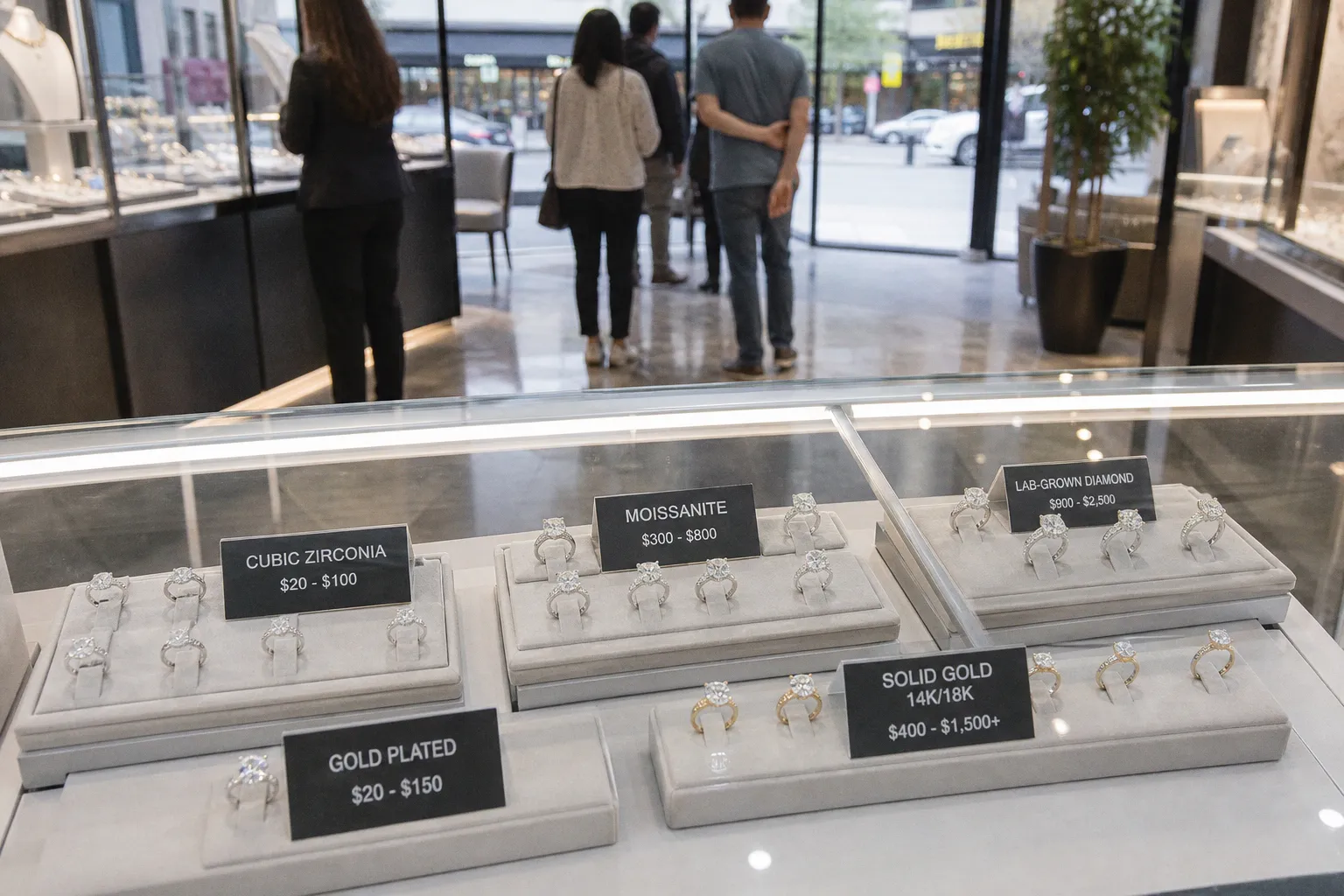 Love & SplitsCompare replica celebrity engagement rings by price
 Harry Styles and Zoe Kravitz reportedly eyeing New Orleans for wedding , Entertainment News