Is Viki Pass worth it for Korean dating reality shows?
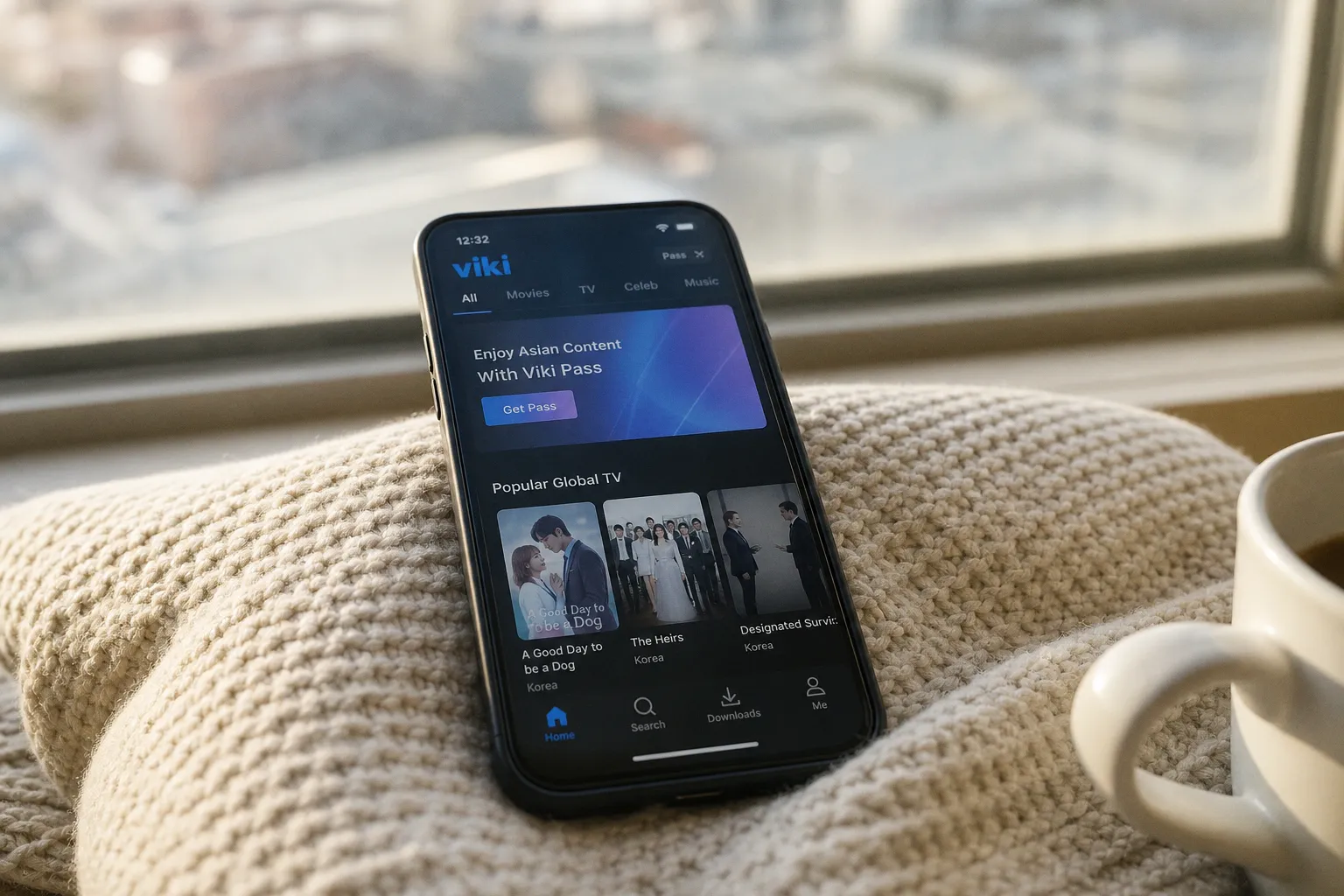
Korean Dating Reality Shows: Is Viki Pass Worth the Subscription?
The $9.99 tier isn't an upgrade. It's the pricing tier Viki always wanted, dressed up as a choice.
The Pass Tiers: What $5.99 and $9.99 Actually Unlock
Start with the basics, because the basics are where most subscription pitches start lying. Viki runs a two-tier structure as of 2026, and the gap between the two is wider than the marketing page admits.
| Feature | Viki Pass Standard ($5.99/mo) | Viki Pass Plus ($9.99/mo) |
|---|---|---|
| Library access | Full Viki catalog | Full Viki catalog + Kocowa programming |
| Ads | Ad-free | Ad-free |
| Streaming quality | Up to 1080p HD | Up to 1080p HD |
| Kocowa content (Korean network exclusives) | Limited / rotated | Full early access |
| Viki Exclusives | Yes | Yes |
| Timed community comments | Yes | Yes |
| Early access windows | Partial | Priority |
| Free trial eligibility | 7 days | 7 days |
Two things jump out immediately. First, the streaming quality and ad-free experience are identical across both tiers — Viki isn't upselling picture quality, it's upselling content depth. Second, the word "Plus" does a lot of heavy lifting. The actual upgrade is Kocowa integration plus priority access to certain titles. Everything else is table stakes.
So who is Standard for? Casual viewers. People who want Heart Signal with subtitles and don't care which season it is. People who want to try the platform before committing more than the price of one bad takeout order. Five ninety-nine a month is a small enough number that nobody reads the fine print.
Who is Plus for? Anyone who actually wants to watch the dating shows the free, ad-supported platforms can't legally carry. That's the only honest answer.
Kocowa, Exclusives, and the "You Can't Get This Anywhere Else" Pitch
Here's where the timing receipts matter. Kocowa is the joint streaming venture backed by the three major Korean networks — KBS, MBC, and SBS — and its catalog includes programming those networks own outright. When Viki markets "Exclusives," they're not inventing the language out of thin air: those titles genuinely don't surface on every competing service. The question is how much of the actual dating-show pipeline lives behind that wall.
Confirmed staples of the Viki library include:
- Single's Inferno — the chain-and-paradise format that became the gateway show for an entire wave of Western viewers in the early 2020s. Still the most-cited reason casual fans give for signing up.
- Transit Love (EXchange) — couples swap past partners for new suitors, in long, slow, occasionally excruciating episodes. Cult favorite status earned, not granted.
- Heart Signal — the OG panel-driven dating format. Multiple seasons, rotating cast, deeply predictable panel commentary.
- I Live Alone / I Am Solo variants — adjacent reality programming that pulls viewers into Viki's wider Korean reality ecosystem.
The marketing claim holds for those titles: access is real, and on the Plus tier, it's often the fastest legitimate streaming access outside Korea. Where the pitch wobbles is the implied promise that every Korean dating reality show lives inside Viki's walls. It doesn't. Some titles stay locked to local Korean networks, others rotate to Netflix, others surface for free with ads on regional platforms depending on country. Anyone who treats Viki as a complete archive is going to hit a gap the moment a buzzy new show drops elsewhere.
Timed comments aren't a feature. They're the entire pitch — every Korean dating show gives the audience a moment to scream, and Viki turned the screaming into architecture.
The Social Layer: Why Timed Comments Quietly Beat the Streaming Itself
This is the part of Viki nobody puts in the comparison charts because it's hard to screenshot. The platform's signature trick — community-timed comments that surface alongside specific timestamps of an episode — sounds gimmicky on paper and works unreasonably well in practice.
Why it works on reality TV specifically:
- Reaction velocity. Dating shows are social viewing by nature. Everyone watching at the same time is screaming at the same bad decision. Timed comments let the room react at the moment the crying starts.
- Crowd verification. When a contestant claims they "felt a real connection," the comment row at that timestamp either confirms or dismantles the claim in real time. It's a built-in lie detector.
- Discoverability. Newcomers scroll into the highest-rated comment thread on an episode and immediately understand which moments the fandom considers essential.
- Retention. People stay subscribed because the conversation is the content, even more than the show itself.
For reality TV specifically — where the entire genre thrives on viewer commentary, drinking-game reactions, and live-tweeting the unhinged — this is the platform's strongest asset. Netflix gives you cleaner production. Viki gives you the group chat. Different product. Different value.
So is the social layer worth $5.99 a month by itself? Genuinely, for the right viewer, yes. The catch is that timed comments are useless unless the underlying library has the dating shows worth reacting to. Which circles back to the catalog question.
Streaming Quality, Ads, and the Free Trial Question
The 1080p HD pitch is the most boring piece of the marketing, which is exactly why it's also the most honest. Pass-tier subscribers get full HD streaming without the mid-episode ad break that the free, ad-supported tier injects every few minutes. For a 90-minute single's inferno episode built around slow camera work and musical-sting reveals, an ad break at minute 42 absolutely murders the momentum.
- Free tier: Ad-supported, capped quality, rotating catalog, sometimes the exact show you wanted is geo-locked out for two weeks.
- Standard Pass ($5.99): Full HD, ad-free, full catalog, Kocowa content limited.
- Plus Pass ($9.99): Everything above plus Kocowa priority and broader exclusives.
The seven-day free trial is offered to new subscribers and is worth using without question. Most subscription pitches dress up a trial as a "limited-time gift." Viki's trial is genuinely the cleanest way to confirm whether the library has enough of the shows on a viewer's actual watchlist. The trial exists because retention is hard. Use it like retention is hard.
One tactical note: cancel before day seven, not after. The platform does not make cancellation harder than sign-up, but it also doesn't send a reminder email to be helpful.
Regional Licensing: The Fine Print That Actually Matters
This is the section the marketing page spends the least ink on, and the section that decides whether the subscription is worth anything specific to a specific viewer. Availability of Korean dating reality titles on Viki varies by region due to licensing agreements — which means a show that streams cleanly in the United States might be unavailable in the United Kingdom, or a Korean-only window might close three days after a season finale airs.
The typical failure modes:
- The delayed window. New episodes drop in Korea, hit Viki later, sometimes weeks later depending on regional rights.
- The missing season. Older seasons of long-running shows rotate out, get re-licensed, or stay locked to local Korean platforms.
- The app-only gap. Some titles exist on Viki's mobile app but don't surface on the web version, depending on territory.
Anyone who subscribes under the impression that the catalog is identical across borders will discover, approximately three weeks in, that it isn't. Best practice: before committing, pick three specific dating shows on the actual watchlist and confirm they stream in the right region. If two of three are available, the Pass pays for itself. If one of three is missing, that's the deciding factor.
The Verdict
For a viewer who watches Korean dating reality shows casually — meaning, dips into one show a season, mostly skips seasons two through seven — Viki Pass Standard is a clean, low-cost entry point. The five-ninety-nine number is real, the HD streaming is real, the ad-free experience is real. The free trial is the cleanest way to confirm whether the catalog holds up.
For a viewer who actively tracks the genre — follows the casting announcements, watches reunion specials, has opinions about panel commentary on Heart Signal — Viki Pass Plus is the honest subscription. The Kocowa integration is the actual moat. The timed comments are the actual reason the platform beats alternatives on retention. Nine ninety-nine a month is steep, but it's the price of staying current with the Korean dating-show ecosystem without VPN-hopping into five different regional libraries.
Viki isn't the only door into Korean dating reality. It's just the only door that's open to international viewers, fully subtitled, with a chat attached.
The cynical prediction for the next pricing move: a third tier. Probably called "Viki Pass Premium" or "Viki Pass Annual Plus," landing sometime before the next big dating-show wave gets greenlit. The platform already has the pricing structure for it — Standard is the loss-leader, Plus is the margin tier, and the only direction left is up. Watch for an "annual discount" push that conveniently arrives the same week a major exclusive drops.
FAQ
What is the difference between Viki Pass Standard and Viki Pass Plus?
Are timed comments available on all Viki shows?
Does Viki have every Korean dating reality show?
Is there a free trial for Viki Pass?
Why might a show be available in one country but not another?
Don't miss
 Reality TV DramaWhich Real Housewives Wine Is Actually Worth Buying?
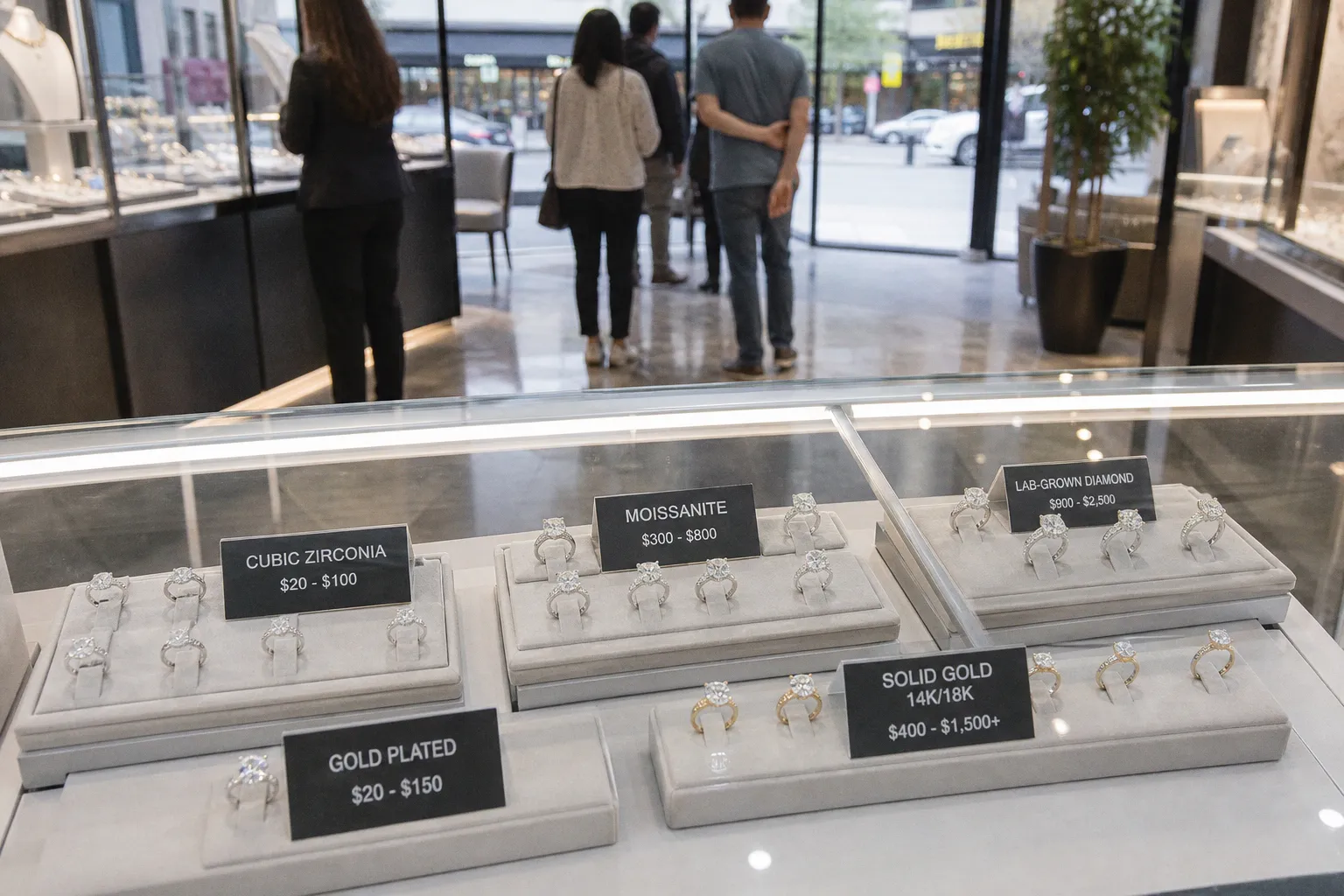 Love & SplitsCompare replica celebrity engagement rings by price
 Harry Styles and Zoe Kravitz reportedly eyeing New Orleans for wedding , Entertainment News
 Hollywood Relationships Under the Microscope as Defamation Trial Aftermath Continues